

1
1
✔ In stock and ready to ship
🚚 Order within calculating... to receive it by
calculating...
✅ Fully tracked delivery on every order
📦 Tracking details sent instantly when your order ships
- Free US shipping on orders over $99 · $3.99 under $99
- Dispatched in 1–2 business days · delivery in 3–7 business days from dispatch via USPS (US only)
- 14-day returns from the date of delivery
⭐⭐⭐⭐⭐ 4.8/5 rating from 7,500+ verified customers
🔒 Secure checkout with Visa, Mastercard, Amex, PayPal & Shop Pay
SKU:
SNG16374
Barcode:
9780300249958
Title:
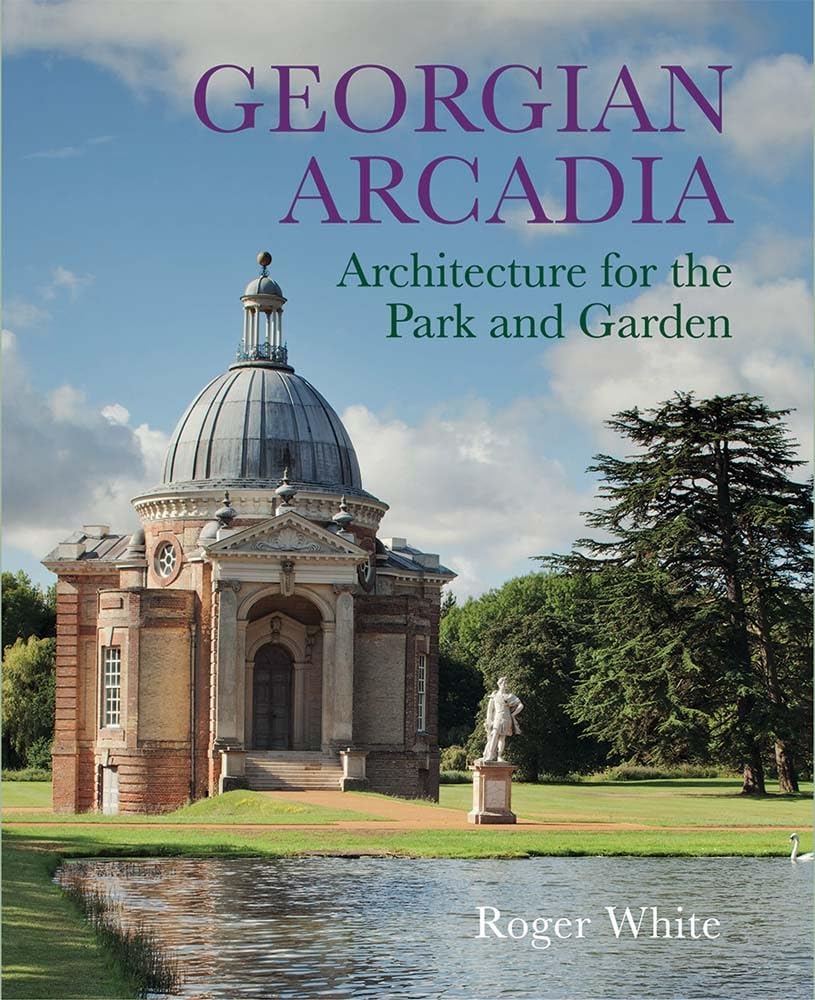
Georgian Arcadia: Architecture for the Park and Garden
Format: Hardback
Overview:
Georgian Arcadia: Architecture for the Park and Garden offers a rigorous, richly illustrated exploration of how 18th-century landscape spaces were crafted as architectural projects. Roger White guides readers through the moment when gardens ceased to be mere scenery and became deliberate, spatial works of design that paired structure with nature. The book investigates the language of park architecture—follies, temples, bridges, grottoes, and vistas—and reveals how these elements were colocated with houses to choreograph social life, display wealth, and express contemporary ideas about taste, order, and improvement. White’s approach blends architectural history with landscape analysis, tracing influences from classical ideals to modern landscape thinking, and situating garden design within broader cultural currents of the Georgian era. The narrative remains accessible for non-specialists while offering precise, source-backed insights that will satisfy students, researchers, and curious readers alike. With thoughtful organization and careful attention to period detail, the work illuminates how the park and garden became a coordinated stage for leisure, fêtes, and everyday experience. Readers will gain a new appreciation for the park as architecture in the landscape, where geometry, materials, and sightlines converge to shape perception and social meaning.
What You’ll Discover Inside:
This book invites you to discover how Georgian designers translated architectural principles into outdoor rooms. It examines how circulation routes—paths, avenues, and viewing points—were planned to guide movement and reveal carefully framed landscapes. You’ll learn how pavilions, bridges, and decorative structures functioned as architectural punctuation within the garden, creating focal moments and experiential sequence. The text connects these features to broader themes such as status display, technological innovation in construction and drainage, and the evolving aesthetics from formal to picturesque styles. Through case studies of prominent estates, the book demonstrates how landscape architecture reflected social hierarchies, regional differences, and the ambitions of landowners and patrons. Expect clear explanations of design intent, material choices, and the relationship between house, garden, and town beyond the estate gates. This is a thoughtful, evidence-based journey into how the Georgian era transformed outdoor space into a globally influential form of architectural expression.
Who It’s For:
Georgian Arcadia is ideal for architecture and landscape history enthusiasts, students, and professionals seeking a concise yet thorough account of Georgian park and garden design. It will appeal to readers curious about how outdoor spaces function as extensions of architectural ideology, as well as to gift buyers looking for a scholarly but accessible non-fiction title. Teachers and librarians can use it as a reference for courses in architectural history, landscape architecture, or cultural studies. Casual readers who enjoy historical explorations of country estates and the social life of the Georgian period will find this book a compelling companion, offering context-rich narrative and carefully argued conclusions that illuminate the era’s aesthetic and functional priorities.
Key Highlights:
- Comprehensive exploration of Georgian-era park and garden architecture
- Clear explanations of design principles, sightlines, and circulation
- Case studies drawn from prominent English estates
- Connections between landscape design, social life, and patronage
- Accessible yet evidence-based approach for both students and general readers
- Focus on the evolution from formal to picturesque garden styles
About the Author:
Roger White is the author of Georgian Arcadia: Architecture for the Park and Garden. This non-fiction study investigates how 18th-century parks and gardens operated as architectural projects, weaving together architectural history with landscape analysis. White’s work highlights the deliberate planning behind park features, the interplay of geometry and nature, and the social contexts that shaped the designer’s choices. The author aims to present scholarly topics with clarity, making complex architectural ideas approachable for a broad readership. His narrative emphasizes how garden architecture functioned as both art and utility in the Georgian era, offering readers a structured, insightful perspective on a pivotal moment in landscape design.
Why You’ll Love This Book:
If you’re drawn to the intersection of architecture and landscape, this book delivers a thoughtful, well-structured examination of how Georgian park and garden spaces were conceived and executed. It provides a clear through-line from classical influences to the picturesque sensibility, helping readers see beyond pretty grounds to the design logic that shaped social life and estate identity. The combination of rigorous analysis with accessible prose makes it a valuable addition to both personal collections and academic libraries. Owning this title offers a cohesive, nuanced view of how outdoor spaces function as extensions of architectural intent, making it a solid choice for those who appreciate historical precision and elegant design scholarship.
Please Note: The individual books included in this listing will be dispatched as per the original UK ISBN and UK edition cover image shown in the image.
- Choosing a selection results in a full page refresh.