

1
1
✔ In stock and ready to ship
🚚 Order within calculating... to receive it by
calculating...
✅ Fully tracked delivery on every order
📦 Tracking details sent instantly when your order ships
- Free US shipping on orders over $99 · $3.99 under $99
- Dispatched in 1–2 business days · delivery in 3–7 business days from dispatch via USPS (US only)
- 14-day returns from the date of delivery
⭐⭐⭐⭐⭐ 4.8/5 rating from 7,500+ verified customers
🔒 Secure checkout with Visa, Mastercard, Amex, PayPal & Shop Pay
SKU:
SNG15094
Barcode:
9781853407048
Title:
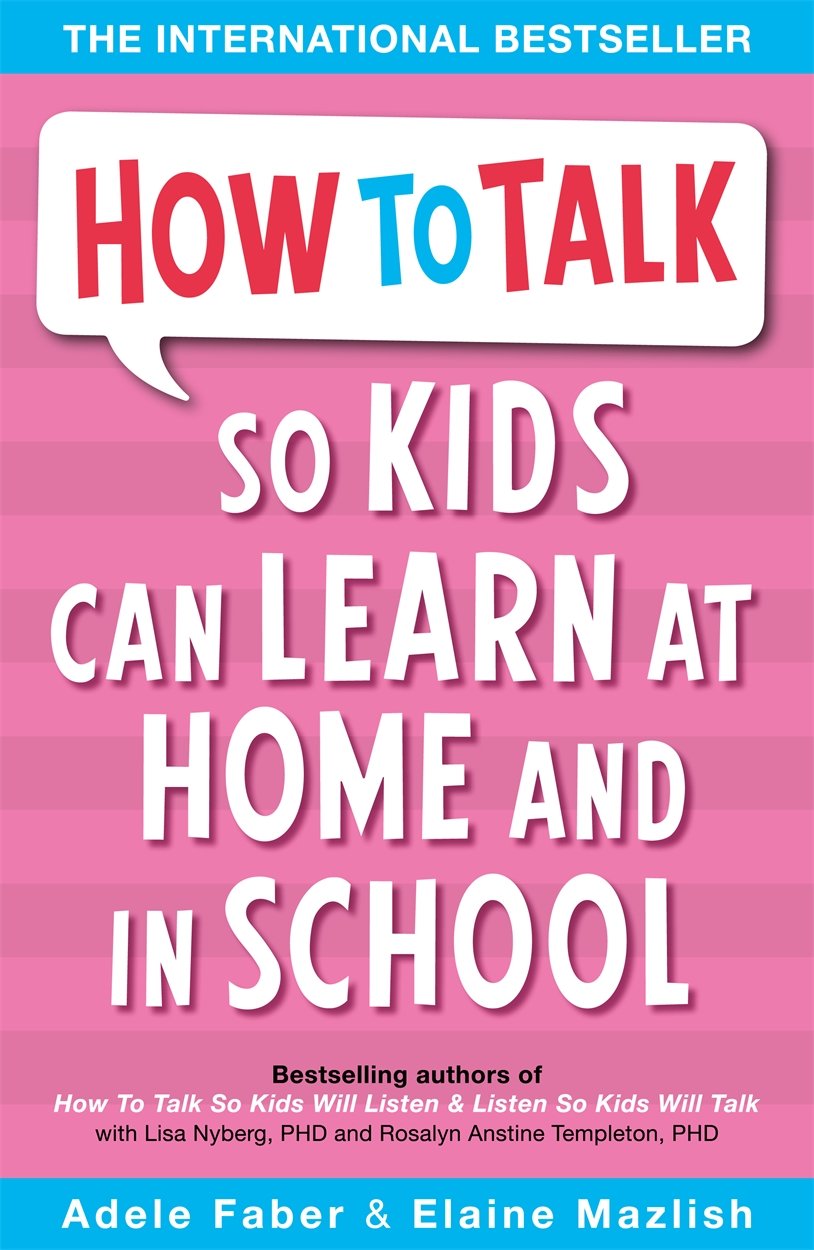
How To Talk So Kids Can Learn: At Home And In School
Condition: BRAND NEW
Format: Paperback
ISBN: 0684813335
Overview:
How to Talk So Kids Can Learn: At Home and In School is a practical, field-tested guide designed for parents and teachers who want to motivate children to learn and participate more confidently in class. Building on the authors’ proven communication framework, the book shows how to acknowledge a child’s feelings, reflect them accurately, and respond in ways that invite cooperation rather than power struggles. By bridging home and school, readers learn to transform everyday moments—homework, transitions, tests, and classroom challenges—into opportunities for collaboration and growth. The book uses relatable dialogues, real-life scenarios, and simple scripts that you can adapt to your child’s personality and your family's values. The tone is encouraging, concrete, and non-judgmental, emphasizing respect for children while preserving clear expectations. Whether you’re helping a reluctant reader tackle a math assignment or guiding a cautious student through a science project, you’ll discover repeatable steps that foster resilience, autonomy, and intrinsic motivation. This edition remains a trusted resource for parents and educators who want to support learning without shouting, nagging, or giving up.
What You’ll Discover Inside:
Inside you’ll find a practical, step-by-step toolkit for nurturing a love of learning. You’ll see how simple conversations can defuse frustration, build self-esteem, and invite children to take ownership of their work. The book offers proven strategies for listening with empathy, describing the problem without blame, and guiding children toward thoughtful choices rather than coercion. You’ll learn to structure homework time, set reasonable expectations, and provide feedback that clarifies goals without shaming. The dialogic approach helps both parents and teachers stay consistent, aligning messages across home and school so children feel secure. Real-life examples cover math problems, reading practice, project work, and classroom routines, making the guidance immediately usable. By applying these techniques, families and classrooms can reduce resistance, raise engagement, and cultivate skills such as problem-solving, time management, and collaborative thinking.
Who It’s For:
This book is a practical companion for anyone guiding a child through school—the parents who want to support homework without battles and teachers seeking calmer, more cooperative classrooms. It’s especially useful for caregivers facing homework frustrations, anxious learners, or kids who resist tests and new topics. Educators who want a consistent language with families will find ready-to-use dialogues you can adapt for parent conferences and after-school programs. Gift buyers will appreciate a thoughtful edition for new parents, teachers starting a classroom, or schools seeking a shared framework that supports student achievement through respectful, effective communication.
Key Highlights:
- Practical, field-tested dialogue techniques that work in both home and school settings
- Clear, empathy-driven framework for communicating with children about learning
- Ready-to-use scripts to defuse frustration and invite cooperation
- Strategies for structuring homework time and classroom transitions
- Approach that builds self-esteem, autonomy, and intrinsic motivation
- Consistent messaging to align parents and teachers around learning goals
- Real-life scenarios addressing math, reading, science, and project work
- Accessible guidance suitable for caregivers and educators alike
About the Author:
Adele Faber and Elaine Mazlish are internationally recognized experts in parent–child communication and co-authors of the acclaimed How to Talk So Kids Will Listen and Listen So Kids Will Talk. Their work has guided millions of families to navigate everyday conflicts with respect, empathy, and practical skill-building. In How to Talk So Kids Can Learn: At Home and In School, they expand their proven approach to the classroom and homework routines, continuing to emphasize clear expectations while validating children’s feelings. The edition also reflects collaborative input from contributors including Lisa Nyberg and Rosalyn Anstine Templeton, who helped tailor the material for both home and school contexts. Their practical philosophy—concrete strategies, real-life dialogues, and non-judgmental tone—has made these titles enduring resources for parents and educators around the world.
Why You’ll Love This Book:
If you’re seeking a trusted, no-nuss approach to help children engage more willingly with learning, this book delivers. You’ll gain a toolkit that helps you defuse arguments, reduce resistance, and foster a sense of ownership in your child’s education. It’s a reliable reference for busy parents and time-strapped teachers alike, offering actionable scripts you can try immediately. Owning this edition means having a durable guide to bridge home and school communications, support consistent expectations, and cultivate resilience and curiosity in young learners. It’s especially valuable for households and classrooms that value respectful dialogue, practical steps, and outcomes that matter in daily academic life.
Please Note: The individual books included in this listing will be dispatched as per the original UK ISBN and UK edition cover image shown in the image.
- Choosing a selection results in a full page refresh.