

1
1
✔ In stock and ready to ship
🚚 Order within calculating... to receive it by
calculating...
✅ Fully tracked delivery on every order
📦 Tracking details sent instantly when your order ships
- Free US shipping on orders over $99 · $3.99 under $99
- Dispatched in 1–2 business days · delivery in 3–7 business days from dispatch via USPS (US only)
- 14-day returns from the date of delivery
⭐⭐⭐⭐⭐ 4.8/5 rating from 7,500+ verified customers
🔒 Secure checkout with Visa, Mastercard, Amex, PayPal & Shop Pay
SKU:
SNG13413
Barcode:
9781786499875
Title:
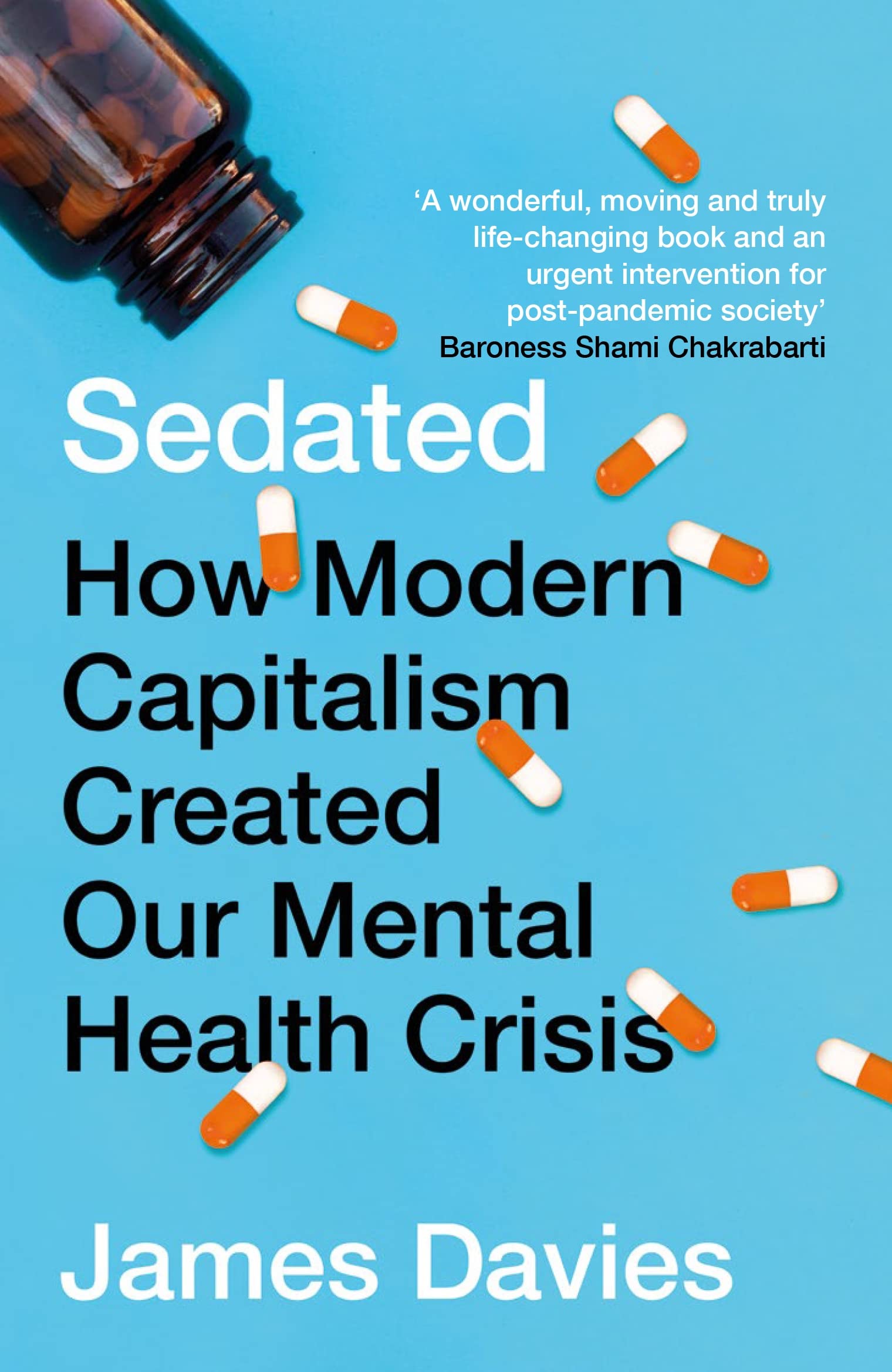
Sedated: How Modern Capitalism Created our Mental Health Crisis
Format: Paperback
Overview:
Sedated takes readers on a rigorous, accessible journey into how the economic systems that shape our daily lives influence the health of our minds. James Davies argues that the rise of modern capitalism has not only transformed work, income, and opportunity, but quietly reconfigured the very nature of stress, happiness, and resilience. Through a thoughtful synthesis of historical context, social science insights, and real-world examples, the book invites a broader discussion about mental well-being that moves beyond individual habits and therapy alone. The tone is clear and principled, balancing critical analysis with practical implications for readers who want to understand what drives anxiety, burnout, and mood disorders in contemporary society. This paperback edition makes a compelling companion for curious readers, students, policy watchers, and anyone seeking a more systemic perspective on mental health. The book’s approachable style helps demystify complex ideas without diluting their importance, offering a framework for recognizing how economic forces—work cultures, inequality, consumer pressure, and policy choices—shape how we feel and cope in the modern world.
What You’ll Discover Inside:
You’ll encounter a provocative examination of the relationship between economic structures and emotional life. The book dissects how job precarity, wage stagnation, and rising living costs contribute to chronic stress and sleep disruption, fueling cycles of worry and affective strain. It also explores how marketing, digital technology, and social comparison amplify feelings of inadequacy and social pressure, often masking systemic issues as personal failings. Davies calls for a more nuanced view of mental health that includes access to affordable care, robust social safety nets, and workplace practices that value well-being as a core metric of success. Readers will gain practical insight into recognizing the environmental and policy-driven factors behind distress, along with a set of thoughtful questions for personal reflection and civic action. The narrative emphasizes accountability from institutions while offering readers a clear path to fostering more resilient, compassionate communities.
Who It’s For:
This book is ideal for adults curious about the broader forces that influence mental health, including students of sociology, economics, psychology, and public policy, as well as professionals working in healthcare, education, or social services. It speaks to readers who want to move beyond surface-level explanations of anxiety and depression and explore how social determinants shape everyday experiences. It’s a valuable resource for book clubs seeking to discuss contemporary society with nuance, policymakers looking for a framework to evaluate mental health strategies, and anyone who wants a more systemic lens on personal well-being. If you’ve ever wondered why distress feels more pervasive in certain eras or how policies might alleviate or exacerbate psychological strain, this book offers a thoughtful, evidence-informed perspective.
Key Highlights:
- Clear, evidence-informed critique of how economic systems impact mental health
- Accessible analysis that connects personal experience with structural factors
- Engaging discussion of work culture, inequality, and consumer society
- Practical considerations for caregivers, educators, and policymakers
- Thoughtful exploration of potential reforms to support well-being
- A timely reminder that mental health is influenced by social context, not just biology
About the Author:
James Davies is the author of Sedated: How Modern Capitalism Created our Mental Health Crisis. He offers a rigorous, interdisciplinary perspective on the social determinants of mental health, drawing on research across psychology, economics, and public policy. Davies writes with a commitment to clarity and accessibility, translating complex ideas into relatable insights for a broad readership. His work invites readers to question conventional narratives that frame mental health purely as an individual responsibility and to consider how systemic factors shape emotional well-being. This book reflects his interest in connecting theory with real-world implications, encouraging informed discussion, critical inquiry, and thoughtful civic engagement around the policy levers that influence mental health outcomes.
Why You’ll Love This Book:
Sedated offers a fresh, human-centered perspective on a topic that touches everyone. By linking mental health to the choices societies make about work, welfare, and technology, it gives readers a framework to understand their own feelings within a larger context. The paperback edition is portable and comfortable for long reading sessions, whether you’re studying, teaching, or simply exploring ideas about how our economic world affects inner life. The book’s honesty about difficult questions—without shaming readers or oversimplifying solutions—helps readers feel seen and empowered. If you’re seeking a thoughtful, well-researched guide that respects your intelligence while inviting critical reflection, this is a compelling choice for personal growth and informed discussion.
Please Note: The individual books included in this listing will be dispatched as per the original UK ISBN and UK edition cover image shown in the image.
- Choosing a selection results in a full page refresh.