

1
3


✔ In stock and ready to ship
🚚 Order within calculating... to receive it by
calculating...
✅ Fully tracked delivery on every order
📦 Tracking details sent instantly when your order ships
⭐⭐⭐⭐⭐ 4.8/5 rating from 7,500+ verified customers
🔒 Secure checkout with Visa, Mastercard, Amex, PayPal & Shop Pay
SKU:
MAN-PR-U2804-067846538X
Barcode:
9780678465387
Titles in This Set:
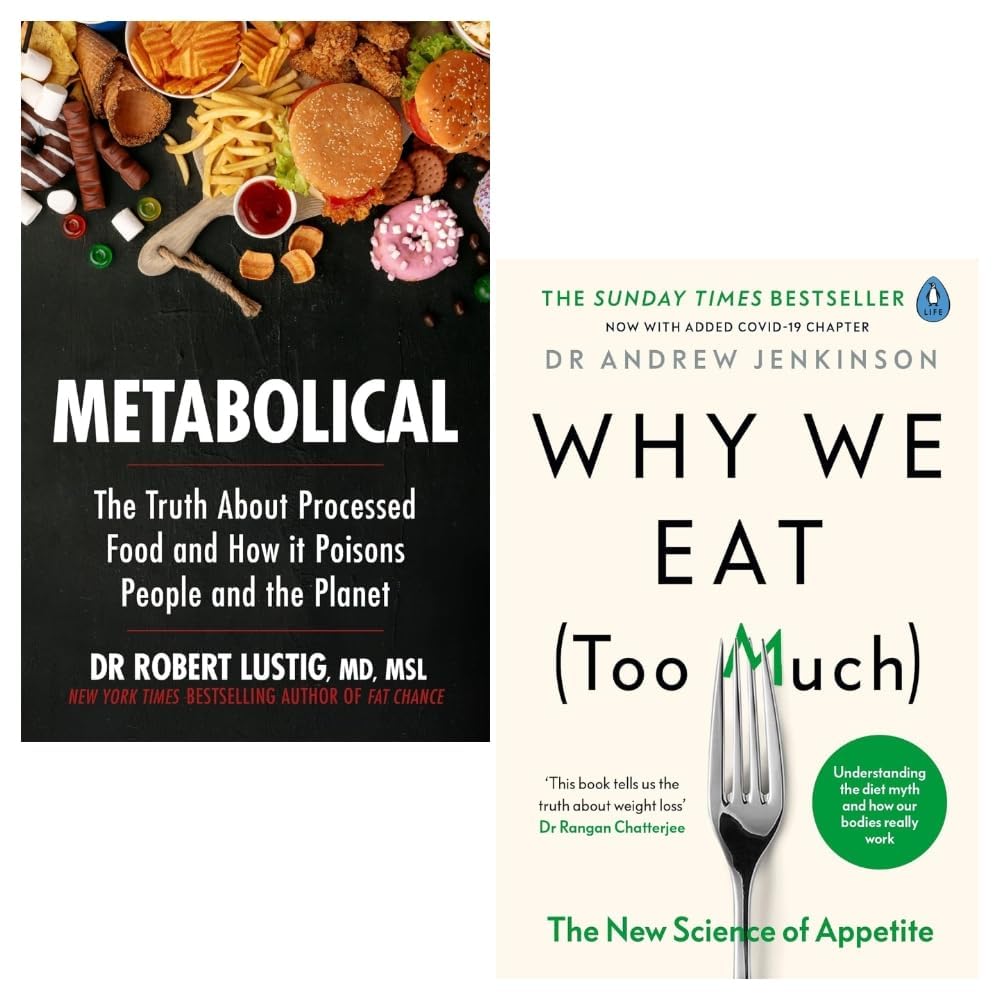
Why We Eat (Too Much)
Metabolical
Condition: Paperback
Format: Paperback
Overview:
This two-book collection brings together two timely examinations of how our modern food environment shapes appetite, health, and everyday choices. Why We Eat (Too Much) by Dr Andrew Jenkinson uses his experience as a weight-loss surgeon to illuminate why dieting can backfire. It blends real clinical case studies with the latest science of metabolism to explain how appetite works, why traditional “eat less, move more” advice often falls short, and how hormonal signals and genetic factors influence our set weight. The book also features a new chapter addressing the link between obesity and COVID-19, offering practical guidance for readers navigating today’s dietary landscape. Metabolical by Dr Robert Lustig offers a bold, data-driven critique of ultra-processed foods and the industries behind them. It argues that a large portion of the food on supermarket shelves is engineered to trigger cravings and disrupt metabolic health, contributing to diabetes, heart disease, fatty liver, cancer, and more. Together, these two paperback titles equip readers with a clearer map from food choice to health outcomes, making this set a must-read for curious adults, health-conscious families, and anyone seeking evidence-based, approachable nutrition insight.
What This Collection Covers:
Across the pair, the collection shifts from understanding the biology of appetite to critiquing the modern food system. Why We Eat (Too Much) dissects how the body’s signals—hormones, brain chemistry, and metabolism—interact with everyday meals, snacks, and social pressures. It challenges the myth that weight loss is simply a matter of willpower, offering a framework that explains why diets often fail and how readers can recalibrate their relationship with food for lasting change. Metabolical complements this with a sweeping examination of ultra-processed foods and their hidden costs. Lustig exposes how processing, additives, and engineered ingredients alter gut biology, drive cravings, and contribute to chronic disease. He contextualizes these findings within policy, industry practices, and personal responsibility, inviting readers to rethink what “healthy eating” looks like in a world of convenience foods. The synergy between the books lies in translating complicated science into practical steps—how to choose foods that sustain energy, reduce cravings, and support long-term wellbeing, without resorting to extreme dieting. This collection is ideal for readers seeking credible, actionable guidance beyond fad diets, and for households aiming to foster healthier eating patterns together.
Book-by-Book Guide:
Why We Eat (Too Much) navigates the modern nutrition maze by putting the science of appetite in conversation with human stories from Jenkinson’s clinical practice. The author explains the concept of a unique “set weight point” and how fats, genes, and hormones influence weight beyond sheer calorie counting. Readers will encounter practical explanations of why dieting can inadvertently disrupt metabolism and how long-term changes—habits, environment, and mindful choices—drive sustainable results. With accessible language and real-world examples, the book translates complex research into a readable guide for people who want to understand their bodies better and break free from dieting cycles. It’s a compelling invitation to rethink how we measure success, with strategies tailored to busy lives and diverse eating preferences, including considerations for post-diet hormonal shifts and lifestyle adjustments. The chapter on COVID-19 adds timely context, linking infectious disease risk with metabolic health and diet quality, making the narrative relevant to contemporary health concerns.
Metabolical presents a hard-hitting, data-informed critique of the food environment. Lustig argues that a large portion of supermarket foods are ultra-processed, designed to entice with taste and convenience while undermining health. The book connects cravings, food additives, and industry practices to rising rates of obesity, diabetes, fatty liver disease, cancer, and cognitive decline. It lays out clear distinctions between whole foods and engineered products, offers guidance on reading nutrition labels, and provides practical steps to reduce dependence on ultra-processed items. While the science is dense at times, Lustig grounds concepts in everyday choices, empowering readers to make dietary changes that have measurable health benefits. The result is a persuasive call to rethink how we eat, cook, and shop for a healthier future.
Who This Set Is Perfect For:
This two-book collection is ideal for adults who want a clearer, evidence-based view of how food affects their bodies and longevity. It suits readers who have tried countless diet plans without lasting results and are seeking deeper understanding of metabolism and food quality. Health-conscious shoppers, students of nutrition, educators, and healthcare professionals will find the combination particularly valuable as a reference point for discussions about dietary patterns, public health, and personal habit change. Gift buyers will appreciate the approachable, non-technical tone that makes complex science feel practical. Families aiming to improve mealtime routines, book clubs exploring health topics, and individuals seeking credible sources to inform lifestyle decisions will find both titles complementary and empowering.
Key Benefits:
- Clear, science-backed explanations of appetite, metabolism, and weight loss
- Practical guidance for choosing foods that support long-term health
- Exposure of ultra-processed foods and strategies to reduce their role in daily meals
- Timely context with a COVID-19 connection to obesity and health
- Accessible writing that translates complex research into everyday actions
- Solid foundation for discussions with clinicians, educators, and family members
- Two affordable paperback volumes in one curated set for convenient reading
About the Author:
Dr Andrew Jenkinson is a weight-loss surgeon whose clinical practice informs Why We Eat (Too Much). He presents a compelling perspective on how the body’s metabolism interacts with modern eating patterns, challenging the conventional “eat less, move more” mantra with practical, evidence-based insights. Dr Robert Lustig is a renowned pediatric endocrinologist and a leading voice in nutritional science, widely recognized for his work on sugar and the health risks of ultra-processed foods. In Metabolical, Lustig applies his signature investigative approach—combining physiology, nutrition science, and policy critique—to reveal how processed foods contribute to chronic disease and what readers can do to reclaim their metabolic health. Together, these authors offer a complementary, comprehensive view of how we eat, why it matters, and how to align daily choices with long-term wellbeing.
Why You’ll Love This Set:
If you’re searching for reliable, accessible guidance on how to navigate today’s food landscape, this set delivers. It pairs Jenkinson’s practice-based perspective on appetite and weight with Lustig’s critical examination of ultra-processed foods, providing a holistic toolkit for healthier living. The titles reinforce each other: one explains how our bodies respond to food; the other calls out systemic factors that shape what ends up on our plates. Ideal for personal reading, shared family discussions, or classroom conversations about nutrition and public health, the collection offers credible, actionable steps toward sustainable eating habits and improved energy levels.
Please Note: The individual books included in this listing will be dispatched as per the original UK ISBN and UK edition cover image shown in the image.
- Choosing a selection results in a full page refresh.